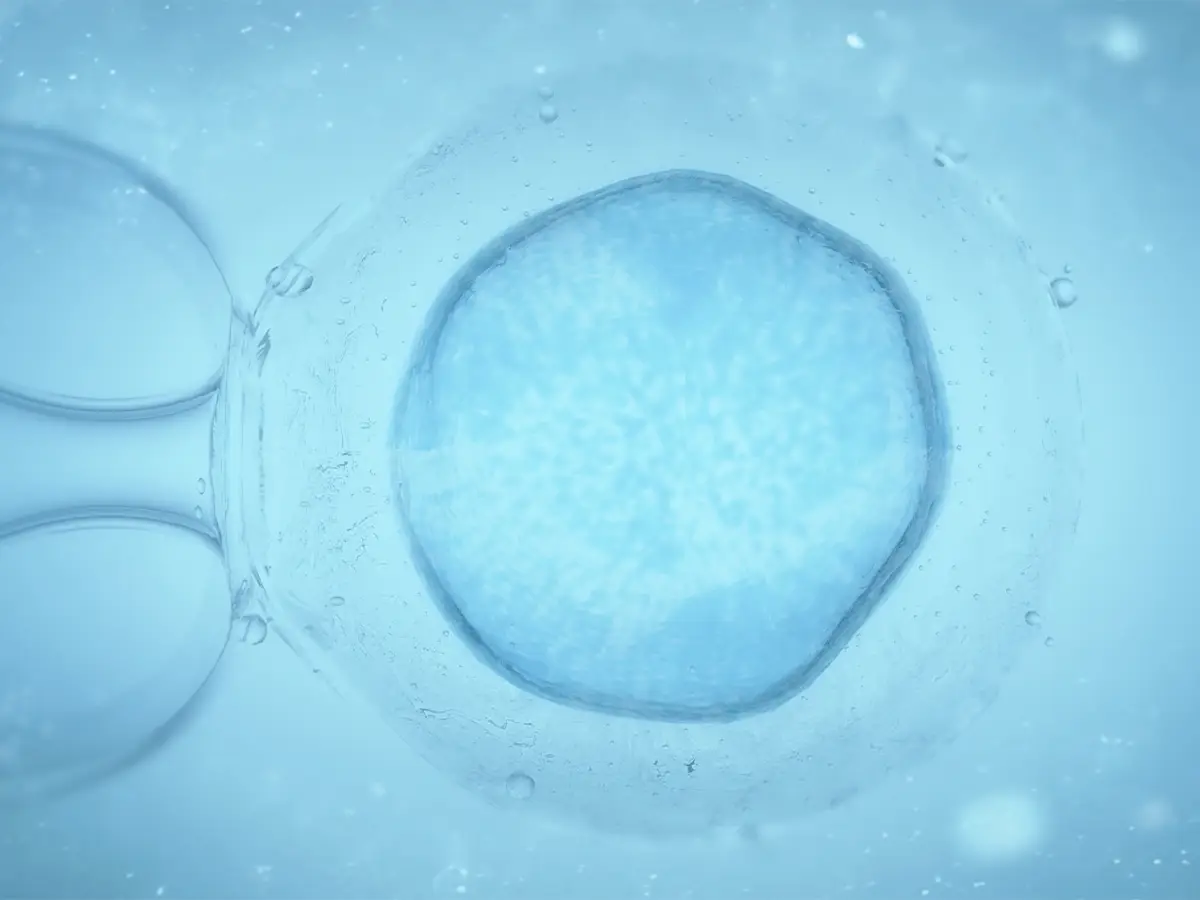
Advanced IVF technique to meet real-world fertility complexities

IVF (In Vitro Fertilisation) is a safe and effective assisted reproductive technique. The process begins with hormone injections to stimulate the ovaries to produce multiple mature eggs. These eggs are then retrieved and fertilised with sperm in a specialised embryology lab. After monitoring their development, one or more healthy embryos are carefully transferred into the uterus for a a successful pregnancy.
WEEKS
INVASIVE
SUCCESS RATE
Wondering if IVF is right for you?
Setting The Global Benchmark in Fertility
Our journey is guided, comfortable, and built entirely around you.
Consult our fertility expert to review your history, discuss goals, and outline a personalised treatment plan.
Use hormone medications to stimulate the ovaries and support the development of multiple mature eggs for retrieval.
Mature eggs are retrieved from the ovaries using a minimally invasive, guided procedure done under sedation.
Eggs are fertilised in the lab, either by combining them with sperm or injecting a single sperm into each egg (ICSI), to create embryos.
Embryos are cultured and monitored for several days to select the healthiest ones for transfer.
One or more selected embryos are transferred into the uterus using a gentle procedure.
Blood tests and ultrasounds are used to confirm implantation and monitor early pregnancy.
Meet the experts behind your care
With decades of IVF experience, our doctors create deeply personalised treatment plans with a proven track record of success.


.webp)
.webp)
.webp)

Any questions?
We got you.
One IVF cycle takes 6-8 weeks with frozen transfers or 3 weeks for fresh transfers. You can expect 3-7 clinic visits during the ovarian stimulation phase for scans, consultations, egg retrieval, and embryo transfer.
Common side effects of IVF include bloating, cramps, breast tenderness, stress. To minimize these side effects, it is important to stay hydrated, manage stress, eat well, and maintain communication with your partner and doctor.
Clinic visits are needed for baseline scans, ultrasound monitoring during the stimulation phase, egg retrieval, and embryo transfer. Some steps like ovarian stimulation drugs can be managed at home.
Success depends on age, egg/sperm quality, underlying medical and genetic issues, and lifestyle factors like weight, smoking, and alcohol.
It’s a customized IVF approach that is tailored to the needs and circumstances of an individual. Based on your age, medical history, ovarian reserve, and specific fertility concerns to maximize success, improve egg quality and minimize risks like OHSS (ovarian hyperstimulation syndrome).
Failures may be due to embryo quality, implantation issues, genetic abnormalities, age, or lifestyle. It does sometimes take two or more cycles of IVF to achieve a successful outcome. While this can take its toll on you physically, emotionally and mentally, it may help you to know that you are not alone in your struggle.
IVF success rates vary, but generally, they range from 40-50% per cycle for women under 30, with rates decreasing with age. Success is also influenced by factors like the cause of infertility, the woman's age and health, Technologies used in the Lab, Doctor’s expertise and Embryology protocols.
If you are searching for an IVF clinic nearby, it is important to choose a centre that combines advanced fertility techniques with experienced specialists. At Oval Fertility, our team offers personalised IVF treatment plans, modern laboratory infrastructure, and compassionate care designed to support your fertility journey.
When choosing an IVF hospital nearby, couples should consider the expertise of the fertility specialists, the quality of the laboratory, and the level of personalized care provided. Oval Fertility offers advanced fertility treatments, private consultations, and a patient-focused approach to support couples at every stage.
Finding the best fertility specialist in Hyderabad involves looking for a medical team that combines clinical expertise with a personalised approach to treatment. At Oval Fertility, our experienced fertility specialists carefully evaluate each patient’s history and design treatment plans tailored to their individual fertility needs.
An advanced IVF clinic nearby can guide patients through diagnosis, fertility testing, and advanced treatments such as IVF, ICSI, genetic testing & counselling services. Fertility specialists evaluate factors such as egg quality, sperm health, and medical history to recommend the most appropriate treatment plan.
You may consider visiting an IVF hospital nearby if you have been trying to conceive naturally for more than a year without success or suffering from infertility related conditions or have been advised to explore assisted reproductive treatments such as IVF, ICSI and Genetic testing.
Oval Fertility combines advanced reproductive technology, experienced fertility specialists, and personalized treatment plans to support patients throughout their fertility journey. Our approach focuses on safety, privacy, compassionate care and guidance at every step.
A consultation before starting IVF helps fertility experts understand your medical history, identify underlying fertility concerns, and recommend the most suitable treatment approach. Consulting with the best fertility specialist in Hyderabad ensures that patients receive a personalised evaluation, clear guidance on the IVF process, and a treatment plan designed to improve the chances of success.
It starts with a question. Our fertility experts take it from there.