Advanced solutions for complex male fertility challenges

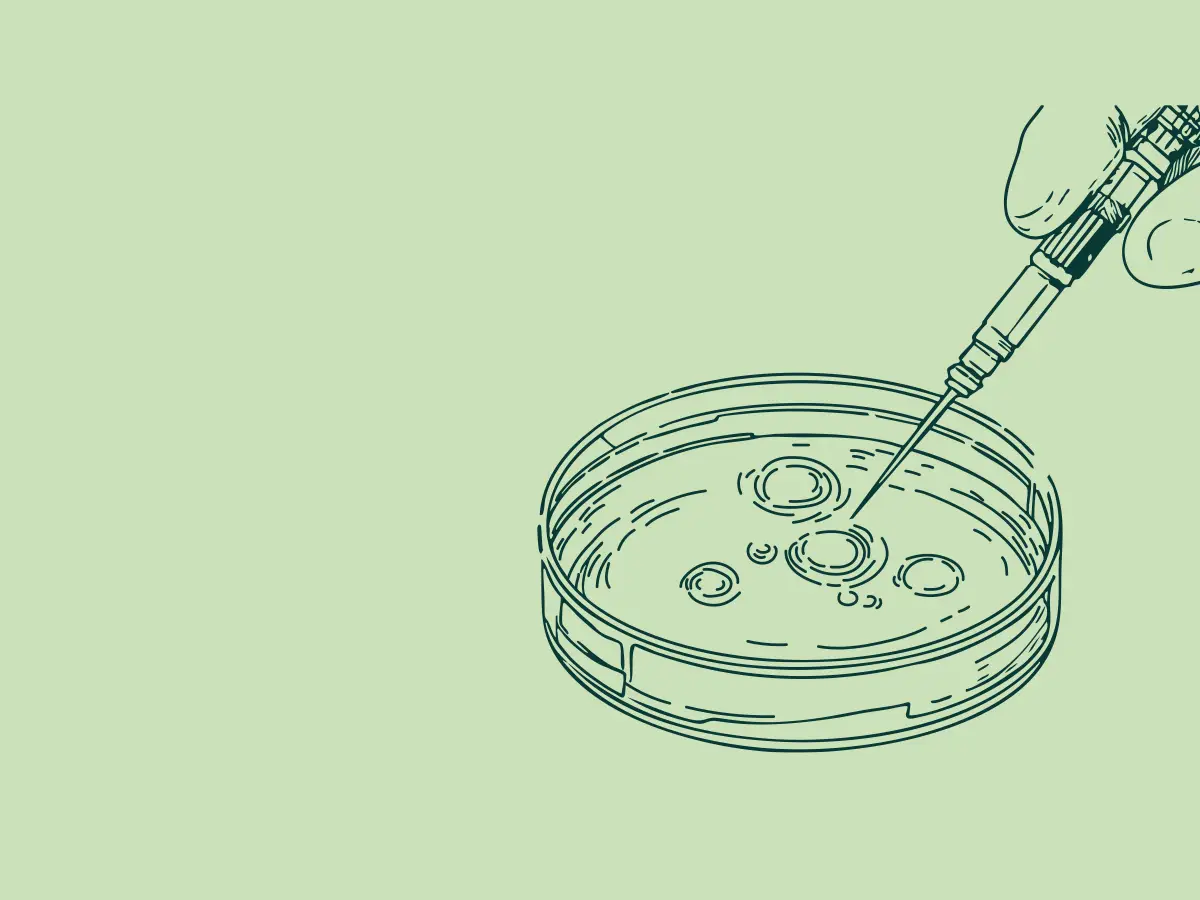
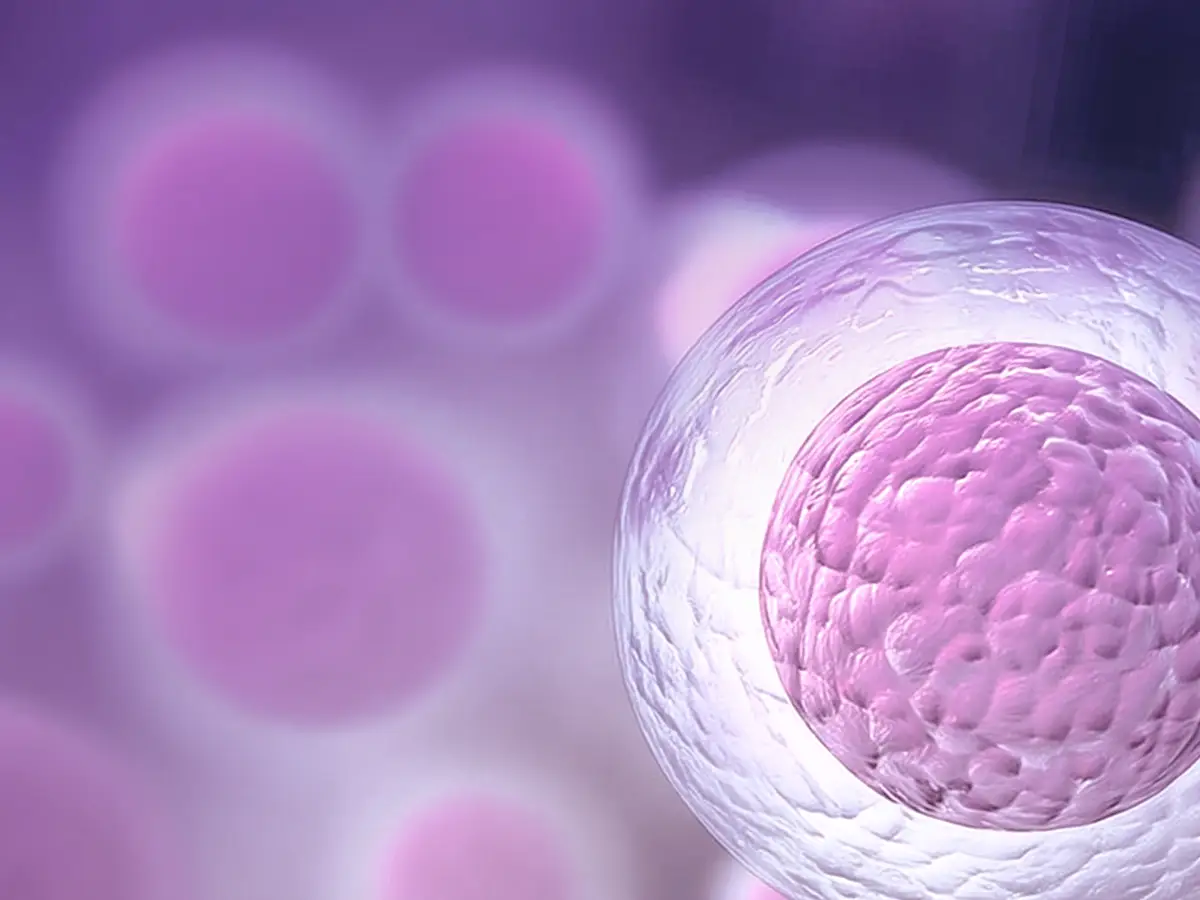
ICSI (Intracytoplasmic Sperm Injection) is an advanced assisted reproductive technique used to address male fertility issues. In this process, a single healthy sperm is carefully injected into an egg in the lab to enhance fertilisation. Often paired with IVF, ICSI is especially helpful in cases of low sperm count, poor motility, or past fertilisation failure.
Book consultationWEEKS
Wondering if ICSI is right for you?
Setting The Global Benchmark in Fertility
Every stage of ICSI is handled with expert control and accuracy
Consult our fertility expert to review medical history, discuss goals, and outline a personalised treatment plan.
Use hormone medications to stimulate the ovaries and support the development of multiple mature eggs for retrieval.
Mature eggs are retrieved from the ovaries using a minimally invasive, guided procedure done under sedation.
Sperm is prepared in the lab to isolate the healthiest, most motile cells for fertilisation.
A single sperm is injected directly into each mature egg under a high-powered microscope.
Embryos are cultured and monitored for several days to identify those best suited for transfer.
Selected embryos are transferred into the uterus using a gentle, guided procedure.
Blood tests and ultrasounds are performed to confirm implantation and monitor early pregnancy.
Meet the experts behind your care
With decades of ICSI experience, our specialists maximise fertilisation possibilities when other methods fall short.


.webp)
.webp)
.webp)

Any questions?
We got you.
Yes, ICSI is widely used and generally considered safe. While some studies note a slightly increased risk of genetic or developmental conditions, most babies born through ICSI are completely healthy.
Success rates depend on various factors like age, underlying fertility conditions, and the clinic. On average, ICSI success rates range between 30-50% per cycle.
In India, the cost typically ranges between ₹1.5 to ₹2.5 lakhs per cycle, excluding medications. Costs can vary based on the clinic, city, and your treatment plan.
ICSI increases the chances of fertilisation, especially in cases of male fertility issues. However, it doesn’t guarantee pregnancy, some eggs may not fertilise, and some embryos may not implant successfully.
Yes, ICSI works well with frozen, donor, or surgically retrieved sperm, often used in cases like azoospermia or other conditions.
Possible risks include:
1) Failed fertilisation
2) Damage to the egg during injection
3) Multiple pregnancy (if more than one embryo is transferred)
4) Rare genetic conditions passed through the sperm
An ICSI cycle from the start of ovarian stimulation to the transfer
typically takes:
1) Around 3 weeks for a fresh transfer
2) Around 4-6 weeks for a frozen transfer
It starts with a question. Our fertility experts take it from there.