IUI that combines natural timing with clinical care

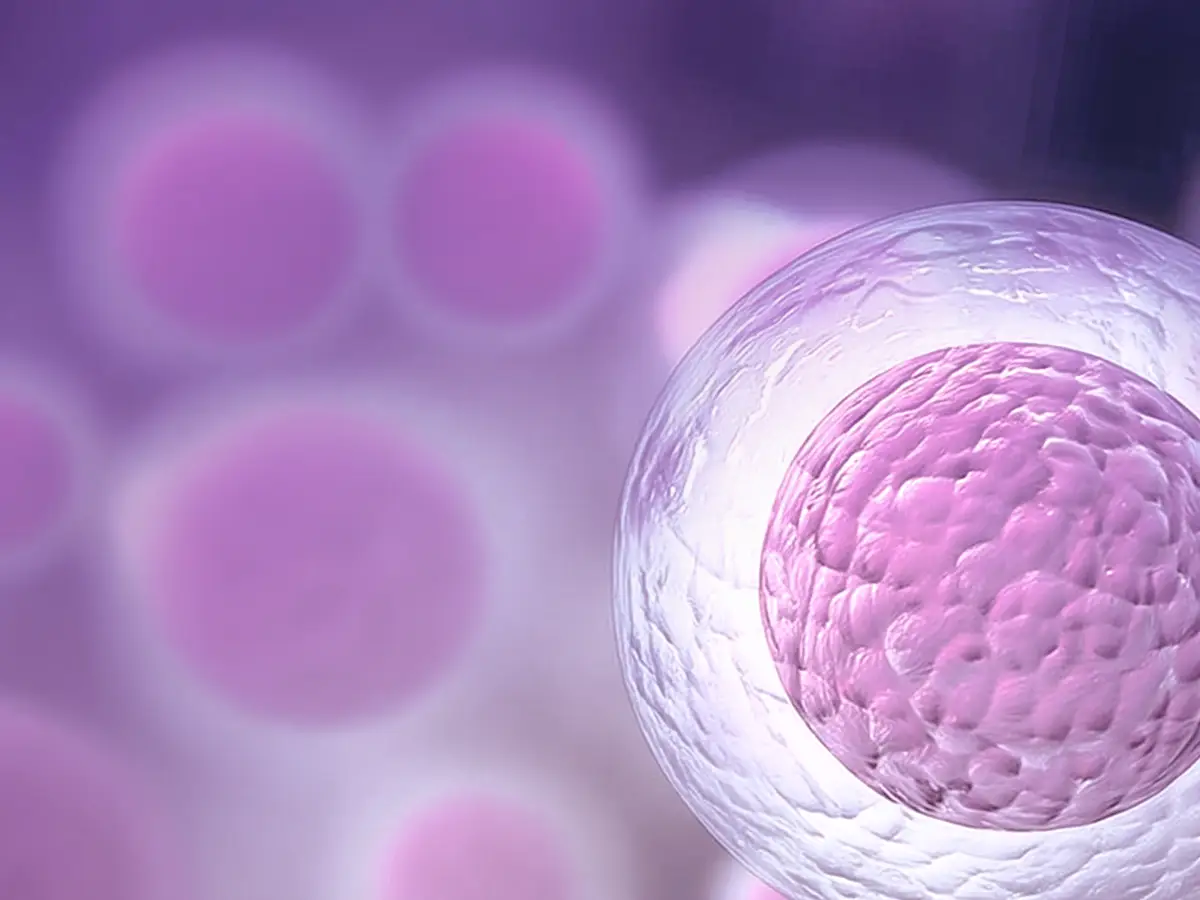
IUI (Intrauterine Insemination) is a safe and minimally invasive assisted reproductive technique. The process involves monitoring ovulation and carefully timing the procedure to coincide with the release of an egg. Specially washed and concentrated sperm are then placed directly into the uterus, increasing the chances of fertilisation. IUI helps bypass certain fertility challenges and supports a more natural path to conception.
Book consultationWEEKS
INVASIVE
SUCESS RATE
Wondering if IUI is right for you?
Setting The Global Benchmark in Fertility
We provide step-by-step support through your IUI journey
Consult our fertility expert to understand your needs, review your health history, and design a personalised treatment plan that works for you.
Natural or mildly stimulated cycles are monitored through ultrasound and hormone tests to precisely time insemination.
Sperm is processed in the lab to concentrate the healthiest and most motile sperm cells for insemination.
The prepared sperm is gently placed into the uterus using a soft catheter, in a brief, painless procedure.
Blood tests and scans track implantation and early pregnancy progress with clarity and clinical care.
Meet the experts behind your care
With extensive IUI expertise, our doctors design personalised treatment plans that maximise your chances of conception.


.webp)
.webp)
.webp)

Any questions?
We got you.
IUI places sperm directly into the uterus to improve the chances of fertilisation. IVF involves retrieving eggs, fertilising them outside the body in a lab, and then transferring the embryo into the uterus. IVF is more advanced and typically more expensive than IUI.
The procedure is usually quick and causes little to no discomfort, often compared to a routine Pap smear. Some mild cramping or spotting may occur afterwards.
Success depends on age and fertility factors:
1) Around 10-20% per cycle for women under 35
2) Lower success rates for women over 35 or with other fertility challenges. You may need more than one cycle.
IUI can be done in two ways:
1) Following your natural ovulation cycle
2) With ovulation-stimulating medication (like Clomid or gonadotropins) to boost your chances
Sperm is “washed” in our lab to separate out healthy, motile sperm and remove seminal fluid or any potentially harmful substances. This improves the chances of fertilisation and helps reduce discomfort.
The insemination takes only a few minutes. However, the full cycle, including monitoring ovulation and any medications, typically spans 10 to 14 days.
Wait at least 14 days after the procedure before testing. Testing too early can give false results due to fertility medications.
IUI is generally low-risk. Possible side effects include:
1) Mild cramping or spotting
2) Multiple pregnancies if fertility drugs are used
3) Rarely, infection or ovarian hyperstimulation
It starts with a question. Our fertility experts take it from there.